February 1, 2026
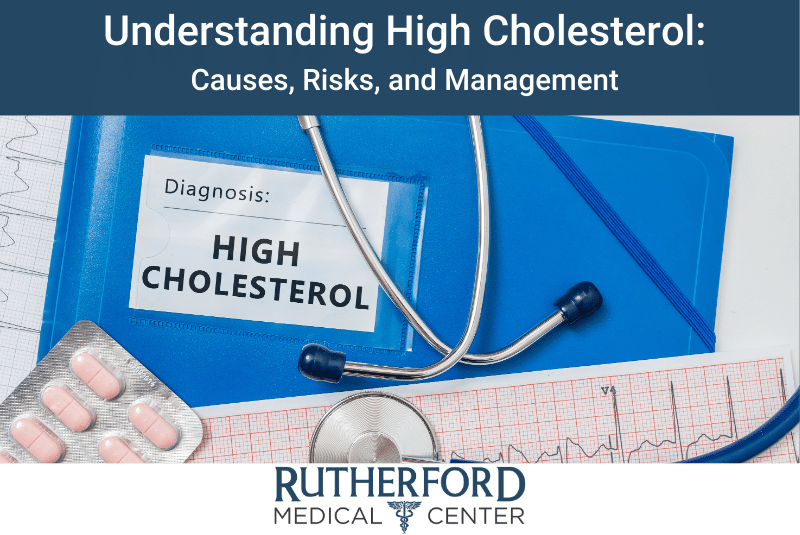
 Cholesterol is a vital substance produced by the liver that helps build cells and produce certain hormones. However, when cholesterol levels in the blood become too high, it can lead to serious health complications, particularly heart disease. At Rutherford Medical Center, we aim to educate our patients about the risks of high cholesterol and provide effective strategies to manage it.
What is Cholesterol?
Cholesterol is a waxy, fat-like substance found in every cell of the body. It plays a crucial role in:
- Building cell membranes.
- Producing hormones like estrogen and testosterone.
- Aiding in the production of vitamin D.
- Assisting in the digestion of fats through the creation of bile acids.
There are two main types of cholesterol:
- Low-Density Lipoprotein (LDL): Often referred to as “bad” cholesterol, LDL can accumulate in the walls of your arteries, making them narrow and harder. This increases the risk of heart disease and stroke.
- High-Density Lipoprotein (HDL): Known as “good” cholesterol, HDL helps remove LDL cholesterol from your arteries and transports it back to the liver for disposal.
Causes of High Cholesterol
Several factors can contribute to high cholesterol levels, including:
- Diet: A diet high in saturated and trans fats can raise cholesterol levels. Processed foods, red meats, and full-fat dairy products are common culprits.
- Lack of Exercise: Physical inactivity can lower HDL (good cholesterol) and increase LDL (bad cholesterol).
- Genetics: Family history plays a significant role in cholesterol levels, as inherited conditions like familial hypercholesterolemia can cause high cholesterol.
- Obesity: Being overweight can increase LDL cholesterol while decreasing HDL cholesterol.
- Smoking: Cigarette smoking lowers HDL cholesterol and damages the lining of your arteries, making cholesterol deposits more likely.
- Age and Gender: Cholesterol levels naturally rise with age. Before menopause, women tend to have lower cholesterol than men of the same age, but after menopause, women’s LDL levels often rise.
Risks of High Cholesterol
When cholesterol levels are too high, it leads to the build-up of fatty deposits (plaques) in the blood vessels, a condition called atherosclerosis. This can restrict blood flow and result in:
- Coronary Artery Disease: Blockages in the heart’s arteries that can cause chest pain (angina) or a heart attack.
- Stroke: If the blood flow to part of your brain is blocked by a clot or a ruptured plaque, a stroke can occur.
- Peripheral Artery Disease: Reduced blood flow to the limbs, leading to pain and mobility issues.
Managing High Cholesterol
Managing high cholesterol effectively involves lifestyle changes and, in some cases, medications. Here are the key strategies:
- Heart-Healthy Diet:
- Focus on low saturated fats (found in fatty meats and dairy) and eliminate trans fats (often found in fried and processed foods).
- Incorporate soluble fiber, which helps reduce the absorption of cholesterol in the bloodstream. Foods like oats, beans, lentils, and fruits are great sources.
- Increase your intake of omega-3 fatty acids, found in fatty fish such as salmon and flaxseeds, which can lower LDL cholesterol levels.
- Exercise Regularly:
- Engaging in at least 30 minutes of exercise most days of the week can help raise HDL and lower LDL cholesterol. Brisk walking, cycling, and swimming are excellent options.
- Medications:
- In some cases, lifestyle changes may not be enough to bring cholesterol levels down. Your doctor may prescribe medications like statins to help lower LDL cholesterol. Other medications include bile-acid-binding resins, cholesterol absorption inhibitors, and PCSK9 inhibitors.
- Quit Smoking:
- If you smoke, quitting can improve your HDL levels and reduce your risk of heart disease and stroke.
- Maintain a Healthy Weight:
- Losing even a small amount of weight can improve cholesterol levels. Aim for a slow, steady weight loss through a balanced diet and regular physical activity.
- Limit Alcohol Intake:
- Alcohol can raise HDL cholesterol but also adds extra calories and may contribute to weight gain, so moderation is key.
Comprehensive Q&A on High Cholesterol
Q: What are the normal cholesterol levels?
A: A total cholesterol level below 200 mg/dL is considered desirable. LDL should be less than 100 mg/dL, while HDL should be 60 mg/dL or higher.
Q: Can high cholesterol cause symptoms?
A: High cholesterol itself does not cause symptoms. Many people are unaware they have it until they experience a serious event like a heart attack or stroke. That’s why regular screening is essential.
Q: How often should I get my cholesterol checked?
A: For adults, it’s recommended to have your cholesterol checked every 4 to 6 years. However, if you have a family history of high cholesterol, heart disease, or other risk factors, your doctor may recommend more frequent testing.
Q: Can children have high cholesterol?
A: Yes, children can develop high cholesterol, particularly if they have a poor diet, are overweight, or have a family history of the condition. Pediatricians recommend cholesterol testing for children between the ages of 9 and 11 and again between 17 and 21.
Q: What’s the difference between LDL and HDL cholesterol?
A: LDL is considered the “bad” cholesterol because it contributes to fatty deposits in the arteries, increasing the risk of heart disease. HDL is the “good” cholesterol because it helps remove LDL from the bloodstream, reducing the risk of blockages.
Q: Can I lower my cholesterol without medication?
A: Yes, many people can lower their cholesterol through lifestyle changes, including a heart-healthy diet, regular exercise, and quitting smoking. However, if these changes aren’t enough, medication may be necessary.
Q: Are there any foods that specifically help lower cholesterol?
A: Yes, foods high in soluble fiber, such as oats, barley, beans, and fruits like apples and oranges, can help lower cholesterol. Additionally, fatty fish, nuts, and seeds rich in omega-3 fatty acids can improve heart health and reduce LDL cholesterol.
Contact Us
At Rutherford Medical Center, we are committed to helping you manage your cholesterol and reduce your risk of heart disease. If you have any concerns about your cholesterol levels or need advice on maintaining a healthy lifestyle, don’t hesitate to reach out.
Rutherford Medical Center
12755 Century Dr, Suite A
Take control of your health today by scheduling a consultation with one of our specialists. We are here to guide you every step of the way.