January 1, 2026
 Overweight and obesity have become significant health challenges worldwide. At Rutherford Medical Center, we aim to provide comprehensive care and support to those facing the health risks associated with being overweight or obese. These conditions not only affect physical appearance but also increase the likelihood of chronic diseases such as diabetes, heart disease, and certain cancers. In this blog, we will explore the causes, risks, and treatments available for overweight and obesity, empowering you with the knowledge to make healthier choices.
What Are Overweight and Obesity?
Overweight and obesity are defined by an excessive accumulation of body fat that poses a health risk. The most common measure of determining whether a person is overweight or obese is through the Body Mass Index (BMI), which is a calculation based on weight and height.
- Overweight: A BMI between 25 and 29.9
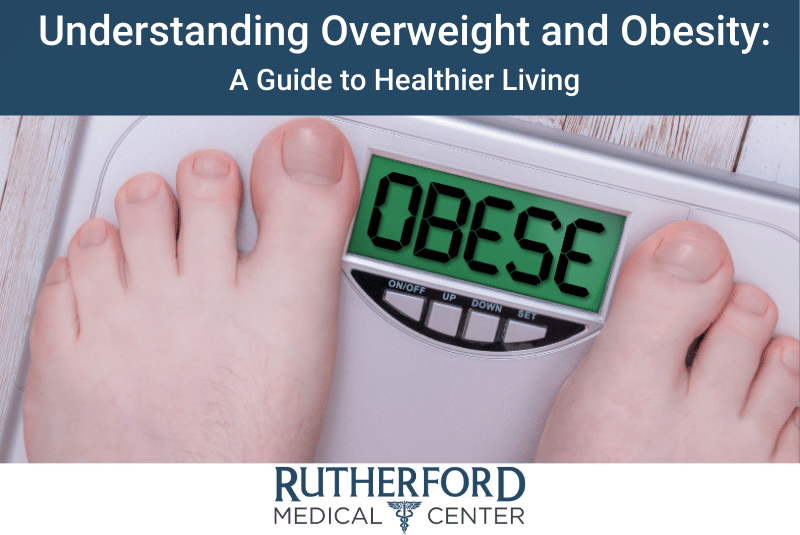
- Obese: A BMI of 30 or higher
While BMI is a useful tool, it doesn’t account for muscle mass or distribution of fat. Therefore, healthcare providers often use additional assessments to evaluate a person’s overall health.
Causes of Overweight and Obesity
Several factors contribute to overweight and obesity, including:
- Poor diet: High intake of calories, unhealthy fats, sugars, and processed foods can lead to weight gain.
- Physical inactivity: A sedentary lifestyle limits the number of calories burned, resulting in fat accumulation.
- Genetics: Some people are genetically predisposed to gain weight more easily due to metabolism and fat storage tendencies.
- Medical conditions: Certain health problems, such as hypothyroidism or polycystic ovary syndrome (PCOS), can make it more difficult to manage weight.
- Medications: Some medications, such as antidepressants or corticosteroids, can contribute to weight gain.
- Emotional factors: Stress, anxiety, and emotional eating can lead to overeating and weight gain over time.
Health Risks Associated with Overweight and Obesity
Carrying excess weight can lead to a variety of serious health issues, including:
- Type 2 diabetes
- Heart disease and high blood pressure
- Stroke
- Certain cancers, such as breast, colon, and liver cancer
- Sleep apnea and other breathing disorders
- Osteoarthritis due to excessive strain on joints
- Fatty liver disease
These conditions can reduce quality of life and shorten life expectancy if not managed properly.
Treatment Options for Overweight and Obesity
Effective management of overweight and obesity often involves a multi-faceted approach, including:
- Dietary changes: A balanced diet rich in fruits, vegetables, whole grains, and lean proteins can promote weight loss and improve overall health.
- Physical activity: Regular exercise, including aerobic and strength training activities, helps burn calories and build muscle, improving metabolism.
- Behavioral therapy: Identifying and changing unhealthy eating patterns and emotional triggers for overeating are key to long-term success.
- Medications: In some cases, prescription medications that help reduce appetite or fat absorption can be used under medical supervision.
- Surgical options: For individuals with severe obesity who haven’t had success with other treatments, bariatric surgery (such as gastric bypass or sleeve gastrectomy) may be considered.
- Lifestyle modifications: Sustained lifestyle changes are crucial in preventing weight regain after treatment. This includes mindful eating, regular physical activity, stress management, and adequate sleep.
At Rutherford Medical Center, our dedicated team offers personalized care plans tailored to each individual’s needs, ensuring a holistic approach to managing weight and improving overall health.
Comprehensive Q&A Section
Q: How can I tell if my weight is affecting my health?
A: Aside from calculating your BMI, other indicators of unhealthy weight include difficulty with physical activity, sleep disturbances, joint pain, and having related conditions like high blood pressure or type 2 diabetes. It’s best to consult with a healthcare provider for a thorough evaluation.
Q: What type of diet is best for weight loss?
A: A well-balanced diet focusing on portion control, high fiber, lean proteins, healthy fats, and low added sugars is ideal for weight loss. It’s essential to avoid fad diets and instead focus on sustainable changes that fit your lifestyle.
Q: How much exercise is recommended for weight loss?
A: The American Heart Association recommends at least 150 minutes of moderate-intensity aerobic activity or 75 minutes of vigorous-intensity activity each week, along with muscle-strengthening exercises at least two days per week.
Q: Are weight-loss medications safe?
A: Prescription weight-loss medications can be safe and effective when used under the supervision of a healthcare provider. However, they are typically recommended for individuals with a BMI over 30 or those with a BMI over 27 who have other weight-related health conditions.
Q: Can weight loss help prevent chronic diseases?
A: Yes, losing even 5-10% of your body weight can significantly reduce the risk of developing conditions like type 2 diabetes, heart disease, and hypertension.
Q: What are the risks of bariatric surgery?
A: While bariatric surgery is generally safe, as with any surgery, there are risks. These can include infection, blood clots, and nutrient deficiencies. It’s important to have a detailed discussion with your surgeon about the risks and benefits before making a decision.
Q: What support does Rutherford Medical Center offer for weight management?
A: We offer a comprehensive weight management program that includes nutritional counseling, physical therapy, behavioral therapy, and medical supervision. Our goal is to help you achieve sustainable weight loss and improve your overall health.
At Rutherford Medical Center, we are committed to supporting our patients on their journey to healthier living. Whether you’re just beginning or need help overcoming weight-related challenges, our team is here to guide you every step of the way.
Rutherford Medical Center
12755 Century Dr, Suite A
Take the first step towards a healthier, happier life by contacting us today!